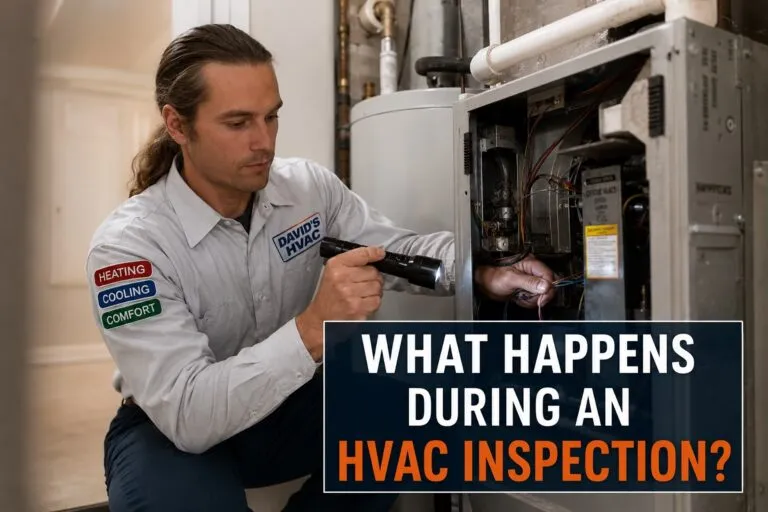
An HVAC inspection gives homeowners a clear picture of how their heating and cooling system is performing, what condition its components are in, and whether any issues need attention before they become expensive repairs. Whether you schedule an inspection before summer, before winter, or as part of routine HVAC maintenance, understanding what happens during an HVAC inspection helps you know what to expect and why the process is important. A professional inspection is designed to improve system performance, identify worn parts, enhance energy efficiency, and help keep your HVAC system operating safely throughout the year.
A Technician Starts With a Complete System Evaluation
An HVAC inspection begins with a thorough evaluation of the entire heating and cooling system. Instead of looking at a single component, the technician examines how all of the parts work together.
The inspection typically includes both indoor and outdoor equipment, along with the controls and supporting components that affect overall performance.
During this initial evaluation, the technician checks for:
- Visible signs of wear or damage
- Loose or disconnected electrical wiring
- Corrosion on metal components
- Unusual noises during operation
- Signs of water leaks or moisture buildup
- Poor airflow throughout the system
This overview allows the technician to identify any obvious problems before moving into more detailed testing.
Inspecting the Thermostat
The thermostat is one of the first components that receives close attention during an HVAC inspection because it controls the operation of the entire system.
The technician verifies that:
- The thermostat is reading indoor temperatures accurately.
- Heating and cooling settings respond correctly.
- Temperature changes trigger the HVAC system properly.
- Programmable schedules are functioning as intended.
- Batteries are in good condition if applicable.
If the thermostat is not communicating correctly with the HVAC equipment, the system may cycle too often, run longer than necessary, or fail to maintain comfortable indoor temperatures.
Examining the Air Filter
A dirty air filter can significantly reduce HVAC efficiency and place unnecessary strain on the equipment.
During the inspection, the technician checks the filter for dirt, dust, and debris buildup. If replacement is needed, they may recommend installing a clean filter immediately.
A clean filter helps:
- Improve airflow
- Reduce energy consumption
- Protect internal HVAC components
- Improve indoor air quality
- Reduce dust circulating throughout the home
Because filters collect contaminants over time, replacing them regularly is one of the simplest ways to keep an HVAC system operating efficiently.
Inspecting Electrical Components
Electrical problems are among the most common causes of HVAC breakdowns.
A professional HVAC inspection includes checking the electrical system for safety and proper operation.
This inspection often includes:
- Tightening electrical connections
- Inspecting wiring for damage
- Measuring voltage and amperage
- Testing relays and contactors
- Inspecting capacitors
- Examining circuit boards when accessible
Loose or damaged electrical connections can lead to overheating, equipment failure, or safety concerns if left unaddressed.
Checking the Blower Assembly
The blower is responsible for moving heated or cooled air throughout the home.
During an HVAC inspection, the technician evaluates the blower assembly for proper operation.
This includes inspecting:
- Blower motor condition
- Fan blades
- Belt condition if applicable
- Motor bearings
- Airflow performance
A properly functioning blower improves comfort while reducing unnecessary stress on the heating and cooling equipment.
Inspecting the Evaporator Coil
The evaporator coil plays an important role in the cooling process.
Over time, dust and debris can accumulate on the coil, reducing efficiency and restricting airflow.
During the inspection, the technician looks for:
- Dirt buildup
- Ice formation
- Corrosion
- Physical damage
- Drainage problems around the coil
If excessive dirt is present, the technician may recommend professional coil cleaning to restore proper performance.
Examining the Condenser Unit
The outdoor condenser unit is exposed to weather, dirt, leaves, grass clippings, and other debris throughout the year.
An HVAC inspection includes a detailed examination of the outdoor unit to ensure it is operating efficiently.
The technician may inspect:
- Condenser coil condition
- Fan motor operation
- Fan blade condition
- Refrigerant line insulation
- Physical damage to the cabinet
- Debris restricting airflow
Keeping the outdoor unit clean allows heat to transfer more efficiently during the cooling season.
Checking Refrigerant Levels
Proper refrigerant levels are essential for effective air conditioning performance.
During an HVAC inspection, technicians may measure refrigerant pressures and compare them to manufacturer specifications.
If refrigerant levels are low, it could indicate:
- A refrigerant leak
- Improper charging from a previous repair
- Reduced cooling capacity
- Increased energy usage
- Additional strain on the compressor
Simply adding refrigerant is not considered a permanent solution if a leak is present. The source of the leak should also be identified and repaired.
Inspecting the Furnace Components
If the home has a furnace, the heating system receives its own detailed inspection before the colder months arrive.
The technician carefully checks multiple components that affect heating performance and safe operation.
These often include:
- Burners
- Heat exchanger
- Ignition system
- Flame sensor
- Gas connections
- Safety switches
- Venting system
Because heating equipment involves combustion, identifying potential safety concerns is an important part of the inspection process.
Testing System Airflow
Proper airflow affects comfort, efficiency, and equipment lifespan.
During an HVAC inspection, technicians evaluate airflow throughout the system to identify restrictions or imbalances.
Common causes of poor airflow include:
- Dirty filters
- Blocked vents
- Dirty coils
- Blower problems
- Damaged ductwork
Improving airflow allows the HVAC system to maintain consistent temperatures while reducing unnecessary wear on the equipment.
Inspecting the Ductwork
The duct system delivers conditioned air throughout the home, making it an important part of any HVAC inspection.
Technicians inspect accessible ductwork for problems that could reduce efficiency.
They look for:
- Air leaks
- Loose connections
- Damaged insulation
- Crushed duct sections
- Excessive dust buildup
Even small duct leaks can allow conditioned air to escape into unconditioned spaces, increasing energy costs and reducing indoor comfort.
Checking the Condensate Drain System
Air conditioners and heat pumps remove moisture from indoor air during operation.
That moisture drains through the condensate system.
During the inspection, the technician checks:
- Drain lines
- Drain pan condition
- Proper drainage
- Signs of clogs
- Water leaks
Blocked drain lines can lead to water damage, mold growth, or automatic system shutdowns if safety switches are activated.
Testing Safety Controls
Modern HVAC systems include multiple safety devices that help protect both the equipment and the home.
An HVAC inspection includes testing these safety controls to verify proper operation.
Examples include:
- High limit switches
- Pressure switches
- Flame sensors
- Emergency shutoff controls
- Carbon monoxide safety features on applicable systems
These components help detect unsafe operating conditions before they become more serious.
Looking for Signs of Wear
Not every problem requires immediate repair, but many components naturally wear over time.
During an HVAC inspection, technicians identify parts that may be approaching the end of their service life.
Examples include:
- Worn belts
- Aging capacitors
- Weak motors
- Rusted components
- Corroded electrical terminals
- Damaged insulation
Finding these issues early often allows homeowners to schedule repairs before an unexpected system breakdown occurs.
Measuring Overall System Performance
Beyond inspecting individual parts, the technician evaluates how the HVAC system performs as a whole.
This may include measuring:
- Temperature differences between supply and return air
- Airflow readings
- Operating pressures
- Electrical consumption
- System cycling
- Equipment response times
These measurements help determine whether the system is operating efficiently and according to manufacturer recommendations.
Common Problems Found During an HVAC Inspection
Every HVAC system is different, but technicians frequently discover issues that can affect performance and reliability.
Some of the most common findings include:
- Dirty air filters
- Clogged condenser coils
- Low refrigerant levels
- Loose electrical connections
- Worn capacitors
- Blocked condensate drains
- Thermostat calibration issues
- Dirty blower components
- Minor duct leaks
- Weak airflow
Addressing these issues early can often prevent more extensive repairs later.
What Happens After the Inspection?
Once the inspection is complete, the technician reviews the findings with the homeowner.
This discussion typically includes:
- The overall condition of the HVAC system
- Any repairs that are recommended
- Maintenance that should be completed
- Components showing signs of wear
- Safety concerns, if any
- Suggestions for improving system efficiency
Homeowners can then decide which maintenance or repairs they would like to schedule based on the technician’s recommendations.
How Often Should an HVAC Inspection Be Scheduled?
Most HVAC professionals recommend scheduling an HVAC inspection at least once each year. However, many homeowners benefit from having the air conditioning inspected in the spring and the heating system inspected in the fall.
Routine inspections help:
- Detect developing problems early
- Improve heating and cooling efficiency
- Extend equipment lifespan
- Lower the risk of unexpected breakdowns
- Improve indoor comfort
- Maintain reliable system performance throughout the year
Homes with older HVAC systems or heavy year round usage may benefit from more frequent inspections.
Regular HVAC inspections are one of the most effective ways to keep your heating and cooling system operating efficiently, safely, and reliably. By examining critical components, testing system performance, and identifying potential issues before they become major repairs, a professional inspection provides valuable insight into the condition of your equipment. Homeowners who schedule routine HVAC inspections can often enjoy improved comfort, better energy efficiency, fewer unexpected repairs, and greater confidence that their HVAC system is ready for every season. If you are looking for professional HVAC inspection services in the Denver Metro area, the experienced team at David’s HVAC can help ensure your system performs at its best year round.
Content reviewed and published according to the David's HVAC Editorial Team.