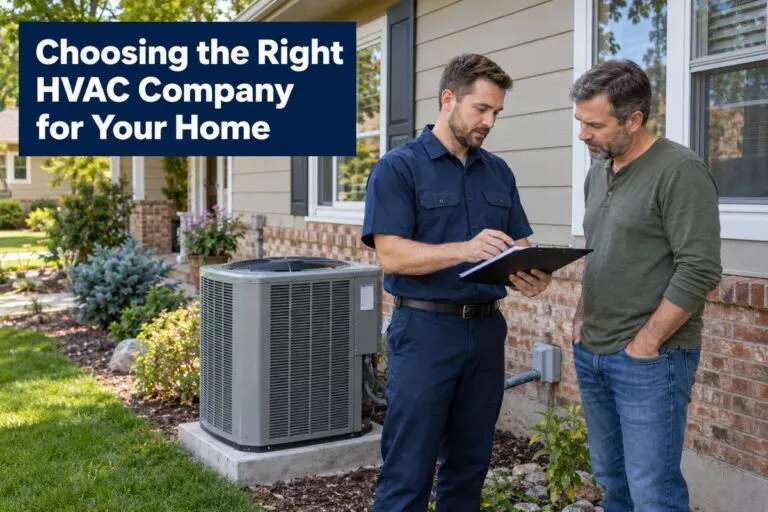
Choosing the right HVAC company for your home starts with finding a contractor who evaluates your needs, explains your options, and provides clear pricing. Whether you need furnace repair, air conditioning service, or a complete system replacement, you should feel comfortable with both the recommendation and the people performing the work.
For homeowners in Englewood, CO, and the Denver Metro area, comparing heating and cooling companies takes more than checking prices. Asking specific questions about experience, installation practices, and service support can help you make a confident decision.
Look for Experience That Matches Your HVAC Needs
A company’s experience should match the service you need. Troubleshooting an existing furnace, installing a heat pump, and correcting uneven airflow require different approaches. Ask about projects involving equipment and comfort problems similar to yours.
Describe your concerns when scheduling the appointment. Mention unusual noises, rooms that stay uncomfortable, repeated breakdowns, or changes in system performance. Notice whether the company asks useful follow-up questions.
Ask About Your Equipment and Type of Home
Before booking an HVAC contractor, ask:
- Do you regularly service my equipment brand and system type?
- Have you worked on homes with a layout similar to mine?
- Can you evaluate airflow problems as well as equipment issues?
- Who will perform the work, and what relevant experience do they have?
- If specialized work is needed, how will it be coordinated?
For HVAC service in Englewood, choose a company that can explain how it will evaluate your particular home. A recommendation should address your equipment, comfort concerns, and budget.
Verify Credentials Before Scheduling Major Work
Ask the company to provide its business name, applicable contractor credentials, and proof of current insurance. Request information you can verify independently, especially before agreeing to a substantial installation project.
Also ask who will be responsible for permits and inspections when applicable. Have those responsibilities included in the written proposal so you know what the contractor will handle.
Keep Qualifications Separate From Sales Claims
Terms such as “trusted,” “experienced,” and “professional” are easy to advertise. Follow them with specific questions about who will arrive, how the work will be supervised, and what documentation you will receive.
If a company promotes certifications or manufacturer affiliations, ask what they mean for your project. A useful answer explains the technician’s qualifications or the support available for your equipment.
Read Reviews for Details About the Customer Experience
Reviews can help you understand how an HVAC company communicates and handles problems. Look beyond the overall rating and read comments about the service you are considering.
For furnace repair, pay attention to descriptions of diagnosis, pricing, and whether the problem was resolved. For HVAC installation, look for feedback about scheduling, cleanup, system operation, and follow-up service.
Useful patterns to look for include:
- Clear explanations before work began.
- Charges that matched the approved scope.
- Updates when schedules changed.
- Respect for the customer’s home.
- Helpful responses when additional attention was needed.
Consider how the company responds to criticism, too. A respectful, specific response provides more useful information than a generic reply. For a major replacement, you can also request references from customers with similar projects.
Expect a Clear Diagnosis Before a Repair Recommendation
A repair recommendation should identify the problem and explain the proposed solution. You should understand what the technician found, what work is needed, and what the repair is expected to accomplish.
Ask the technician to walk you through the findings in plain language. When practical, request photos, measurements, or a demonstration of the issue.
Ask Questions That Clarify the Repair
Before authorizing work, consider asking:
- What caused the system to stop working correctly?
- What checks support this diagnosis?
- Does the quoted price include the complete repair?
- Are there related problems that could affect the result?
- What happens if the same symptom returns?
For an expensive repair, ask how the condition of the rest of the system affects the recommendation. A useful explanation should connect the proposed work to your equipment’s overall condition.
Choose a Contractor Who Evaluates Your Home Before Replacement
A new heating and cooling system deserves more than a recommendation based on the old unit’s capacity. ENERGY STAR advises homeowners to expect an evaluation that considers the house, insulation, windows, and duct system when selecting replacement equipment.
Share any comfort problems before the estimate is prepared. An upstairs bedroom that stays hot or a living room that never warms up should be part of the conversation.
Ask How Equipment Size Will Be Determined
Ask whether the contractor will use a load calculation, such as Manual J, to determine your home’s heating and cooling needs. ENERGY STAR recommends sizing equipment using the home’s actual characteristics and verifying airflow as part of a quality installation. Oversized equipment can cycle too frequently and reduce comfort.
Have the contractor explain the results in practical terms. You should understand why the proposed furnace, air conditioner, or heat pump suits your home.
Compare Written Estimates With the Same Scope
The lowest quote is difficult to evaluate when you do not know what it includes. Request a written estimate detailed enough to compare against other proposals.
For a system replacement, look for:
- Equipment brand and model numbers.
- Proposed capacity and efficiency ratings.
- Installation labor and materials.
- Ductwork, electrical, or thermostat changes.
- Equipment removal and disposal.
- Applicable permits and inspections.
- Startup testing and customer walkthrough.
- Warranty terms and payment schedule.
Ask each company to identify exclusions. If one estimate includes duct modifications and another does not, ask both contractors to explain their approach before comparing the totals.
Clarify Fees and Payment Terms
For repair appointments, ask about diagnostic charges, service call fees, and after-hours pricing before scheduling. Confirm whether any diagnostic fee is applied toward the repair.
For installations, request the deposit amount, payment milestones, and process for approving additional work. If financing is offered, review the interest rate, fees, repayment period, and total amount payable.
Look for Balanced Repair and Replacement Advice
A dependable HVAC company should explain the reasoning behind its recommendation. System age is useful context, but ask how repair history, current condition, comfort, and cost affect the decision.
If both repair and replacement are practical options, request a written comparison. Include the immediate expense, warranty coverage, and unresolved concerns associated with each choice.
Be cautious about guaranteed savings claims without supporting assumptions. Ask what information was used to estimate operating costs and how closely it reflects your household’s use.
You should have enough information to make the decision without feeling rushed by a sales deadline.
Understand What Happens After Installation
Ask how the company confirms that a new system is operating correctly before the job is considered complete. Request a description of its startup checks and the documentation you will receive.
Also ask for a walkthrough covering thermostat operation, filter access, and basic care instructions. This is your opportunity to raise questions while the installation team is present.
Separate Equipment and Labor Warranty Coverage
Ask for written answers to these questions:
- What does the manufacturer’s warranty cover?
- What labor coverage does the contractor provide?
- Who completes any required equipment registration?
- Could service visits involve diagnostic or travel charges?
- What maintenance records should you keep?
- Who should you contact if a problem develops?
Keep the proposal, invoice, model information, and warranty documents together. Clear paperwork makes it easier to follow up when service is needed.
Evaluate Communication and Ongoing Availability
Your first interactions offer a preview of the service relationship. Notice whether the company answers questions directly, explains scheduling, and provides a clear point of contact.
For homeowners comparing HVAC companies in the Denver Metro area, confirm that your address falls within the service area. Ask about regular appointment availability and how urgent service requests are handled.
If maintenance plans are available, review the included tasks, visit frequency, exclusions, and cancellation terms. Choose a plan based on its specific services and your equipment’s needs.
Recognize Warning Signs Before You Commit
Pause and ask more questions if a contractor:
- Recommends replacement without adequately evaluating the system.
- Refuses to provide a written scope or price.
- Avoids questions about insurance or applicable credentials.
- Pressures you to approve costly work immediately.
- Makes savings promises without explaining the assumptions.
- Leaves responsibility for follow-up service unclear.
One unanswered question may simply need clarification. Repeated vague answers are a reason to seek another estimate, particularly for a major repair or replacement.
Choosing the right HVAC company means finding a team that gives you clear answers, a well-supported recommendation, and a written understanding of the work. Taking time to compare these details can help you select heating and cooling services that fit your home and budget.
If you need HVAC services in Englewood, CO, or the Denver Metro area, contact David’s HVAC to discuss your home’s heating and cooling needs. Share your concerns, ask questions, and request an estimate so you can make an informed decision.
Content reviewed and published according to the David's HVAC Editorial Team.